Essential Engineering Tools For Daily Work
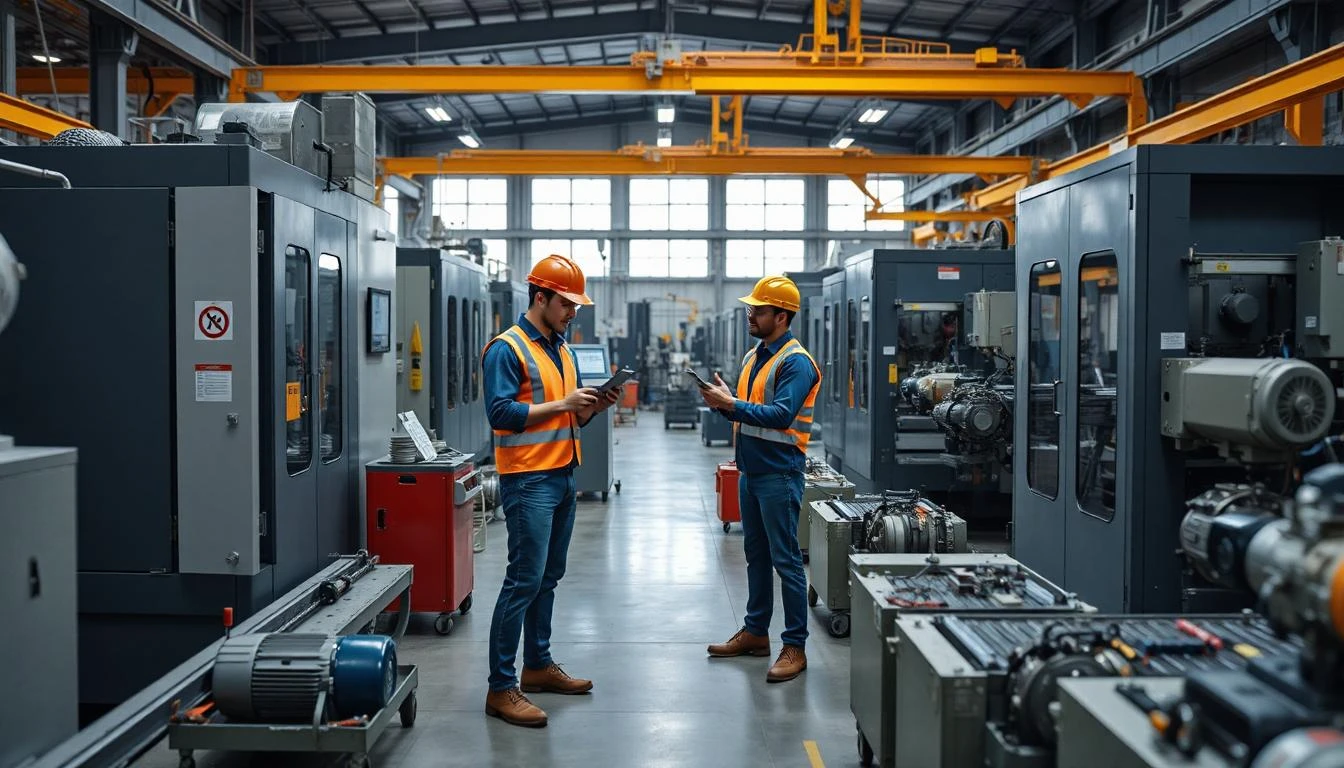
Industrial environments are evolving at a rapid pace, and every detail in engineering execution now matters more than ever. From production floors to design studios, professionals constantly rely on precision, adaptability, and structured workflows to stay competitive in a global landscape where efficiency defines success.
In this environment, industrial engineering tools have become the foundation of modern operations, shaping how engineers design, test, and maintain systems across industries. These tools are no longer just physical instruments; they represent a fusion between traditional mechanics and modern engineering technology, creating a seamless bridge between human expertise and digital precision.
The Importance Of Engineering Tools
Engineering tools are the silent drivers behind every successful industrial project. They influence how accurately systems are built, how safely operations run, and how efficiently teams can deliver results in demanding environments.
Beyond simple functionality, tools shape decision-making processes and determine the reliability of technical outcomes in real-world applications.
modern engineering technology
The integration of modern engineering technology has redefined how engineers approach complex tasks, blending automation, analytics, and precision instruments into one unified workflow.
Supporting accuracy in technical projects
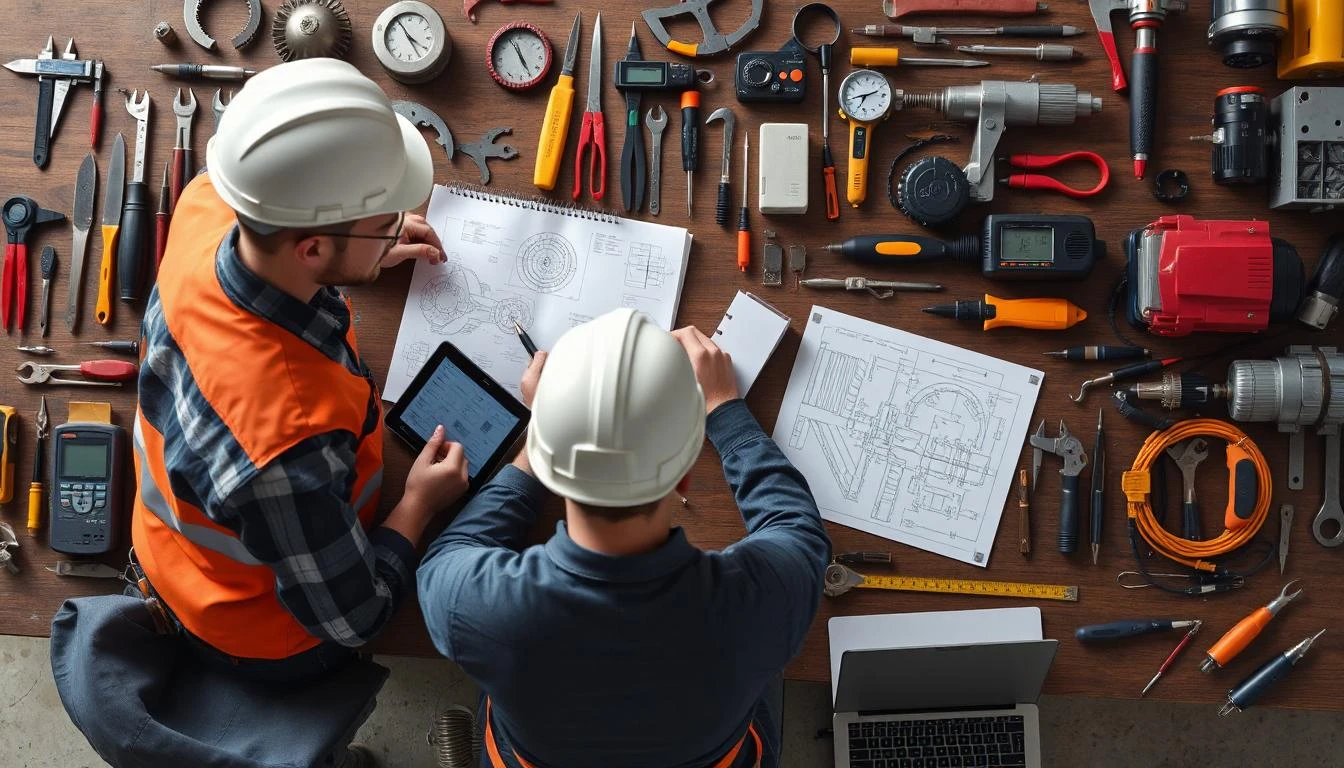
Accuracy is not optional in engineering, it is foundational. Even the smallest deviation can disrupt entire systems. That is why industrial engineering tools such as laser alignment devices, digital calipers, and precision gauges play a crucial role in maintaining exact measurements.
As aerospace engineer James Whitmore once said, “Precision is the language of engineering; without it, design becomes guesswork.” His insight reflects how accuracy is deeply embedded in every technical decision.
Improving productivity and efficiency
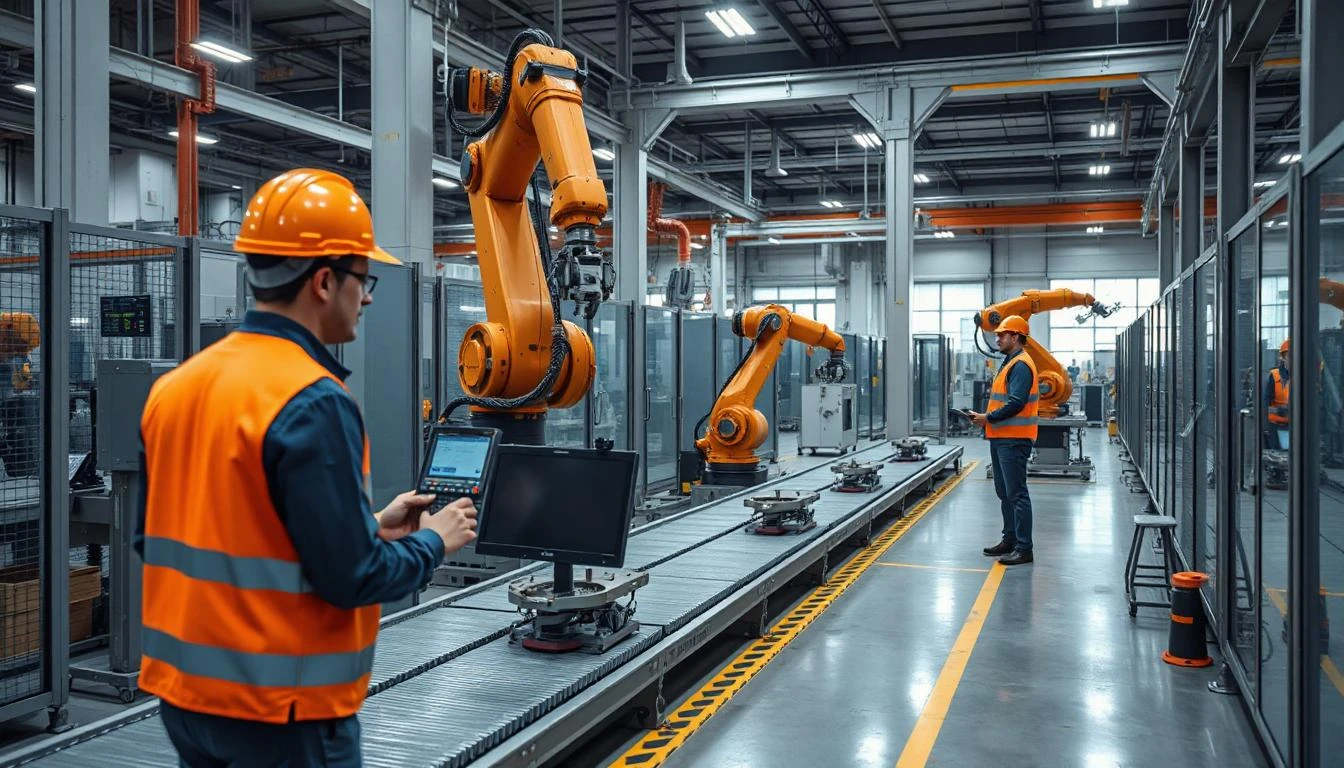
Modern engineering workflows are heavily influenced by automation and intelligent systems. Tools like CNC machines, simulation platforms, and automated assembly systems allow engineers to complete tasks faster while maintaining consistent quality.
The shift toward modern engineering technology has reduced manual repetition and enabled engineers to focus more on innovation rather than routine execution.
Enhancing safety during engineering tasks
Safety remains a core priority in all engineering environments. Properly designed industrial engineering tools reduce human exposure to high-risk conditions and minimize operational hazards.
Mechanical safety expert Dr. Helen Carter emphasizes, “A safe workspace is engineered, not assumed. The right tools make safety predictable, not accidental.” Her perspective highlights the importance of structured tool usage in industrial settings.
Common Engineering Tools Used Daily
Daily engineering tasks rely on a balanced combination of mechanical precision, electronic systems, and digital design platforms that support modern workflows.
Engineers often switch between physical instruments and digital environments to ensure every stage of production is optimized and validated.
precision instruments in engineering workflows
The use of precision instruments in engineering workflows ensures consistent accuracy in measurement, testing, and validation processes across industries.
Measuring and testing instruments
Measuring tools such as multimeters, pressure gauges, and laser distance meters are essential for verifying system integrity. These tools allow engineers to detect inconsistencies before they become critical failures.
Without reliable measurement systems, even advanced projects can lose structural reliability and performance stability.
Mechanical and electrical engineering tools
Mechanical tools like wrenches, screwdrivers, and torque devices remain indispensable in daily operations. Electrical tools, including circuit testers and diagnostic kits, ensure stable energy distribution and system functionality.
The combination of mechanical and electrical tools forms the backbone of industrial maintenance and repair systems.
Digital software tools for engineering design
Digital transformation has revolutionized engineering design. CAD systems, simulation software, and 3D modeling platforms enable engineers to visualize structures before physical production begins.
This integration of modern engineering technology significantly reduces design errors and accelerates project timelines.
Tips For Choosing Quality Engineering Tools
Selecting the right tools is not just a technical decision, it is a strategic investment that affects long-term productivity and operational stability.
Every engineering project requires tools that align with its scale, complexity, and performance expectations.
best industrial engineering tools for maintenance efficiency
Choosing best industrial engineering tools for maintenance efficiency ensures long-term reliability and reduces unexpected downtime in industrial operations.
Selecting tools based on project needs
Each project has unique requirements, and tool selection should reflect those specific demands. Lightweight instruments may be suitable for laboratory work, while heavy-duty tools are required for industrial environments.
Understanding project scope prevents unnecessary expenses and improves workflow efficiency.
Prioritizing durability and precision
Durability ensures that tools can withstand harsh industrial conditions, while precision guarantees consistent performance over time. High-quality tools reduce operational risk and enhance long-term reliability.
Investing in durable instruments often leads to lower maintenance costs and improved output quality.
Maintaining tools for long term performance
Maintenance is a crucial part of tool lifecycle management. Regular calibration, cleaning, and inspection ensure tools remain accurate and functional.
Proper maintenance also extends tool lifespan and preserves operational consistency across projects.
Improve Daily Tasks With Essential Engineering Tools
Efficient engineering is built on structured systems and reliable tools that support every stage of production, from planning to execution.
When engineers adopt industrial engineering tools alongside modern engineering technology, they unlock higher productivity, improved accuracy, and smoother operational workflows.
“The tools you choose define the quality of your engineering output,” says mechanical systems expert Robert Langford, reinforcing the idea that precision starts with selection, not correction.