How Technology Changes Manufacturing Industry
The manufacturing world is no longer a static industrial landscape, it is a living, breathing ecosystem driven by data, machines, and intelligent systems. Every production line today carries a hidden layer of digital intelligence that quietly decides speed, precision, and efficiency. If you look closely, the factory floor has evolved into something far more complex than steel and machinery; it has become a network of decisions happening in milliseconds, reshaping global industry standards.
At the heart of this transformation lies manufacturing automation technology, a force that is redefining how factories operate, scale, and compete. This evolution is not just technical, it is strategic, economic, and deeply human, influencing how industries build resilience and innovation into their core systems.
The Role Of Technology In Manufacturing
The modern manufacturing ecosystem is undergoing a silent revolution where traditional processes are being replaced by intelligent, interconnected systems. This shift is not just about upgrading machines but about rethinking how entire production environments function in real time.
Another layer shaping this transformation is manufacturing business innovation, which is pushing companies to rethink efficiency, scalability, and competitive advantage in a digitally driven economy.
Digital transformation in factory operations
Digital transformation is no longer optional, it is the foundation of modern factory systems. Production lines are now integrated with digital twins, cloud dashboards, and predictive modeling tools that allow managers to visualize operations instantly. This creates a new level of transparency where inefficiencies can be detected before they become costly problems.
As industrial consultant Michael Reeves once stated, “Factories that embrace digital transformation are not just upgrading systems; they are upgrading decision-making itself.”
Automation improving production efficiency
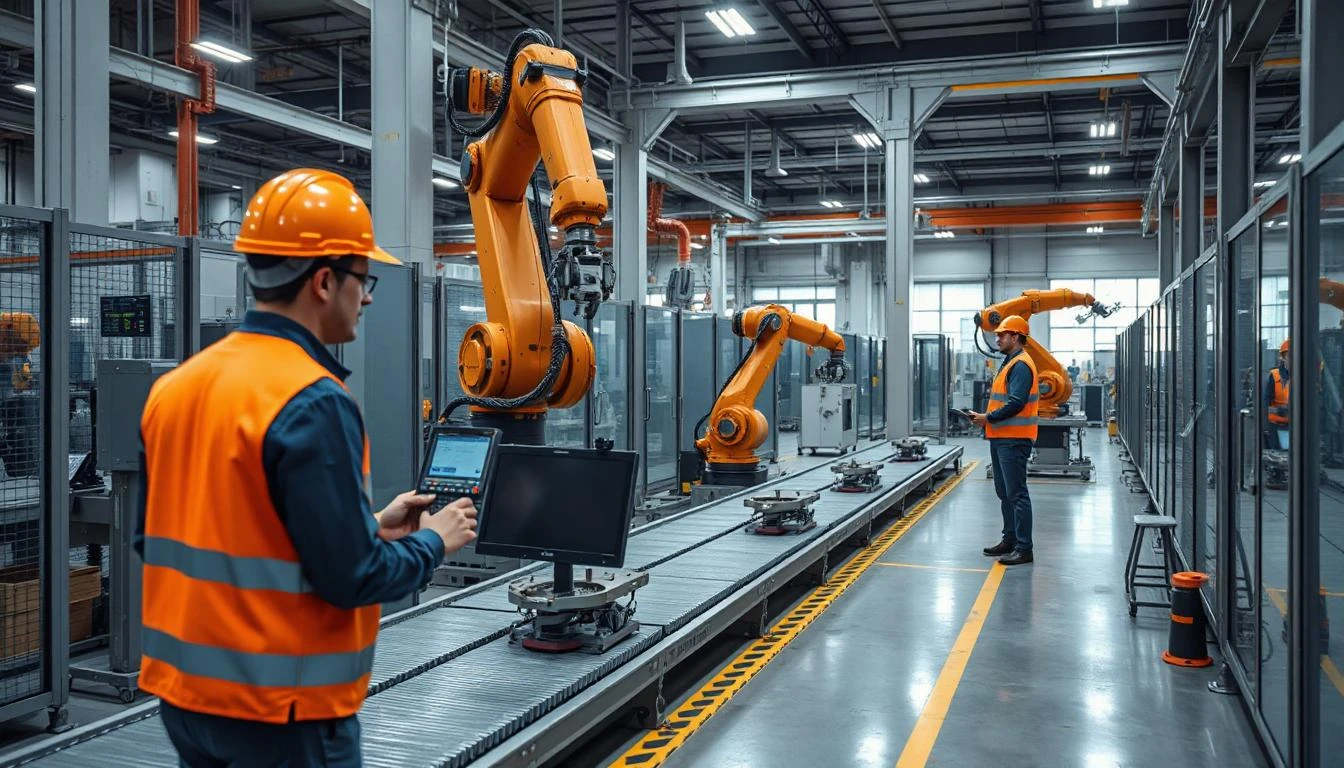
Automation has become the silent engine behind modern industrial output. Robotics, smart conveyors, and AI-controlled machinery reduce manual intervention while increasing precision. The result is a production system that runs faster, smoother, and with significantly fewer errors.
You can see this clearly in automotive and electronics manufacturing, where automated assembly lines have nearly eliminated inconsistencies in product quality.
Smart systems supporting industrial growth
Smart systems now act as the nervous system of manufacturing facilities. They collect real-time data, analyze performance, and adjust machine behavior automatically. This creates self-optimizing production environments that adapt to demand fluctuations without human intervention.
The integration of smart systems is also pushing factories toward predictive maintenance models, reducing downtime and increasing operational lifespan of machinery.
Key Technologies Changing Manufacturing Industry
Manufacturing is being reshaped by a convergence of technologies that work together to create intelligent, adaptive production environments. These technologies are not isolated, they are deeply interconnected, forming the backbone of Industry 4.0.
Artificial intelligence and robotics integration
Artificial intelligence and robotics are transforming production floors into highly synchronized ecosystems. AI systems analyze production data while robots execute tasks with precision that surpasses human capability in repetitive processes.
This synergy is accelerating manufacturing automation technology adoption across industries such as aerospace, automotive, and consumer electronics.
Internet of things in factory monitoring
IoT devices are now embedded across machines, enabling continuous monitoring and communication between systems. Sensors track temperature, vibration, and output levels, providing real-time insights that prevent breakdowns and optimize performance.
A long-tail insight often discussed in industry reports is how IoT-enabled predictive maintenance reduces operational disruptions by up to 30% in smart factories.
Cloud computing and data analytics systems
Cloud computing allows manufacturers to store and process massive volumes of production data without local infrastructure limitations. Combined with advanced analytics, it helps businesses forecast demand, optimize supply chains, and improve operational agility.
Data-driven manufacturing is no longer a trend, it is becoming the default operating model for competitive industries.
Benefits And Challenges Of Manufacturing Technology
The integration of advanced technology into manufacturing brings both extraordinary advantages and complex challenges that require careful strategic planning.
Faster production and reduced operational costs
One of the most visible impacts of manufacturing automation technology is the dramatic increase in production speed and cost efficiency. Automated systems reduce waste, optimize energy consumption, and streamline workflows.
This directly supports manufacturing business innovation, enabling companies to scale faster while maintaining quality standards.
Need for skilled workers in modern factories
Despite automation, human expertise remains essential. Modern factories require technicians, engineers, and data specialists who can manage and interpret complex systems. The demand has shifted from manual labor to cognitive and analytical skill sets.
As engineer Laura Kensington explains, “Automation does not eliminate human roles; it elevates them into more strategic positions within the production ecosystem.”
Managing cybersecurity in digital manufacturing
As manufacturing becomes increasingly connected, cybersecurity risks grow more serious. Digital factories must protect sensitive production data and operational systems from cyber threats that could disrupt entire supply chains.
Cyber resilience is now a core requirement, not an optional layer, in modern industrial infrastructure.
Discover How Technology Transforms Manufacturing Industry
The transformation driven by manufacturing automation technology is not just improving production, it is redefining industrial civilization itself. Factories are becoming intelligent systems capable of learning, adapting, and optimizing without constant human intervention.
This shift raises an important question: are industries ready to fully embrace this level of autonomy, or will hesitation slow down their competitiveness in a rapidly evolving global market?
The answer lies in how quickly organizations adapt to manufacturing business innovation and integrate smart technologies into their core strategies.
“Industries that fail to digitize will not compete; they will simply observe others compete,” says industrial futurist Daniel Hartman.
As you look at this transformation, it becomes clear that the future belongs to those who can blend human intelligence with machine precision in a seamless production ecosystem. The journey is already underway, and the pace is only accelerating.