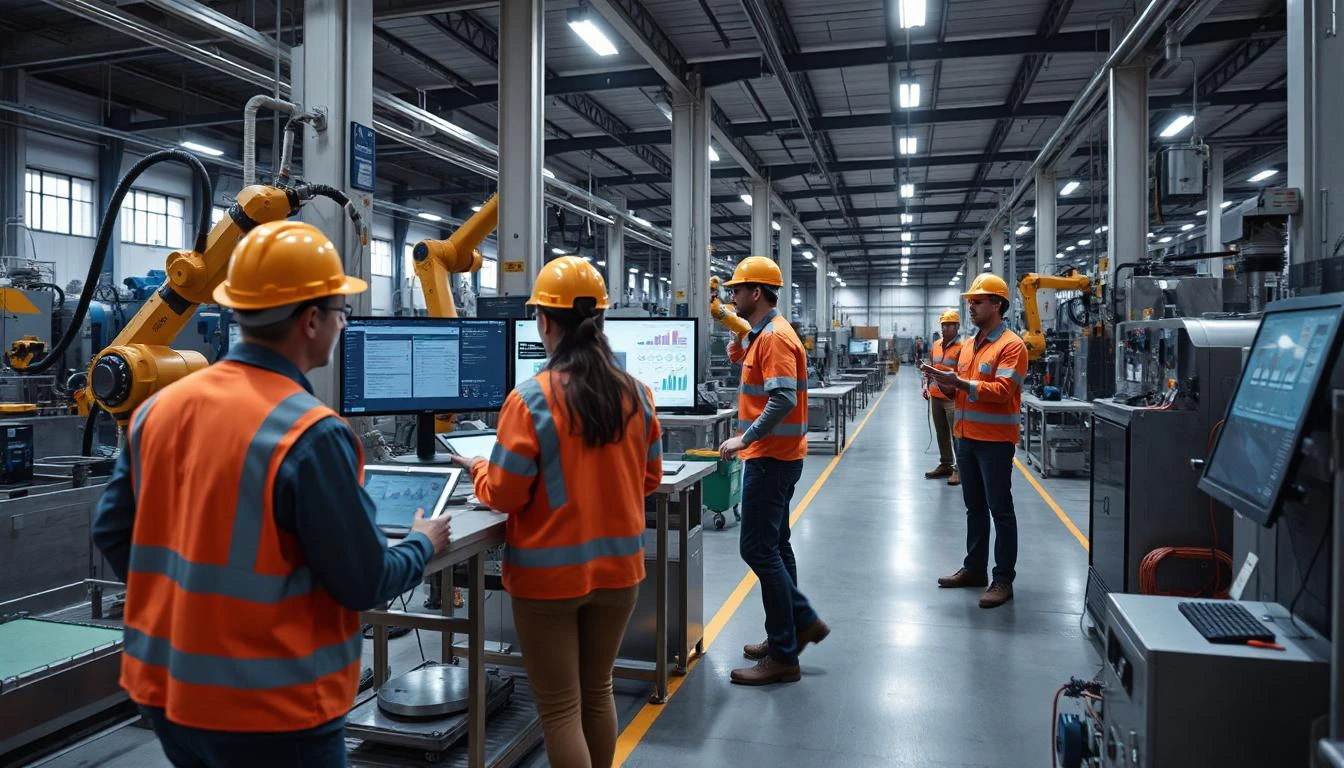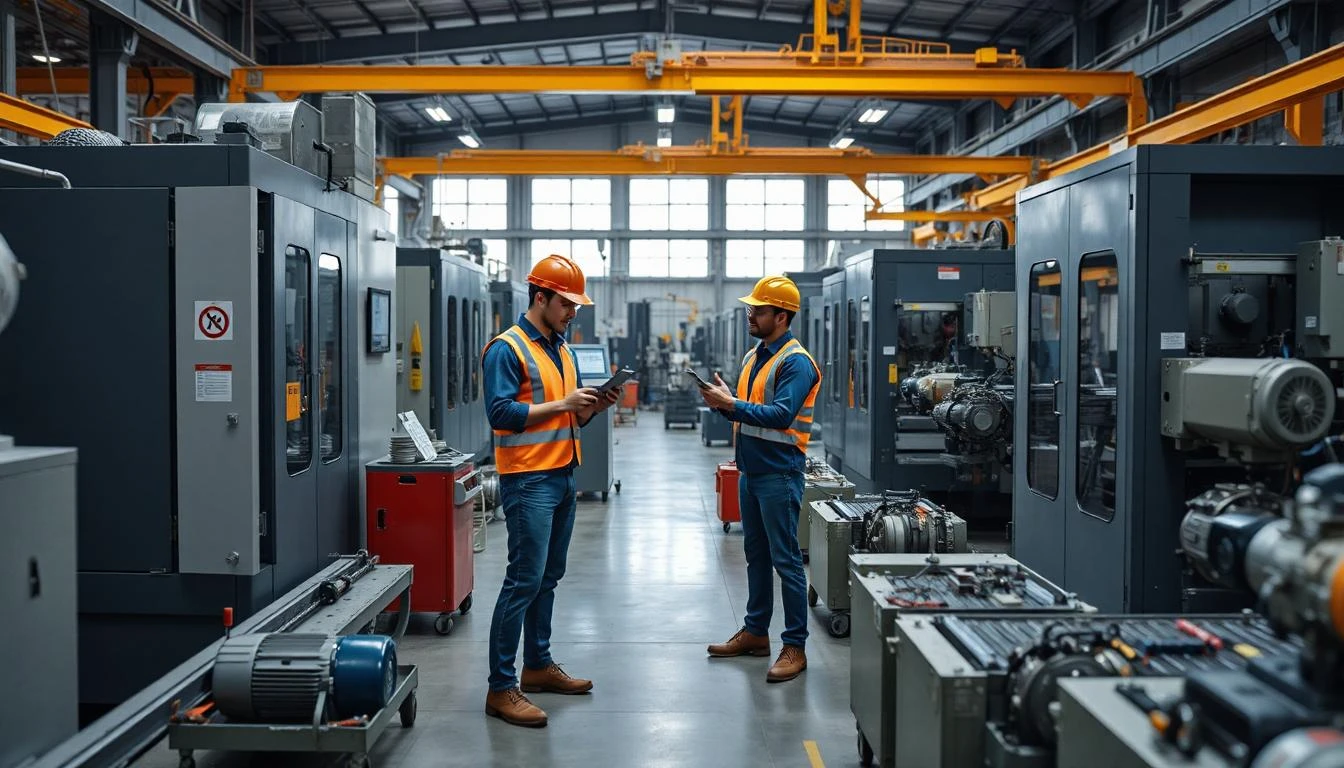
Preventive Machinery Maintenance For Industries

The rhythm of modern industry depends on precision, timing, and control. When machines operate smoothly, production feels almost invisible, silent, steady, and uninterrupted. Yet behind that stability lies a structured discipline that determines everything: maintenance strategy. In competitive manufacturing environments, even the smallest oversight can trigger cascading downtime, financial loss, and operational chaos.
At the center of this discipline stands the machinery maintenance guide, a structured framework that helps industries manage reliability, performance, and machine longevity. This machinery maintenance guide is not just a technical reference; it is a strategic operational compass that aligns preventive systems, inspection routines, and long, term asset optimization into one cohesive workflow.
Why Preventive Maintenance Is Important
Industrial success often depends on what does NOT fail rather than what performs well. Preventive maintenance ensures machines are always a step ahead of breakdowns, not reacting after damage occurs.
Modern factories are no longer relying on guesswork. Instead, they are shifting toward structured systems supported by digital monitoring and intelligent planning. Within this transformation, the machinery maintenance guide becomes the backbone of operational reliability, helping decision, makers reduce risk and improve production stability.
Reducing unexpected equipment failures
Unexpected breakdowns are among the most expensive disruptions in any production environment. A structured approach supported by production equipment servicing helps detect early signs of mechanical fatigue, vibration anomalies, and thermal irregularities before they escalate into failure. As industrial engineer Michael R. Hensley once stated, “Machines rarely fail suddenly, they fail silently long before anyone notices.” This insight reflects the importance of proactive inspection systems.
Extending machinery lifespan effectively
Every machine has a lifecycle, but how long it lasts depends heavily on maintenance discipline. With consistent lubrication, calibration, and scheduled servicing, companies can extend equipment usability far beyond standard expectations. The machinery maintenance guide plays a crucial role here, ensuring that wear and tear is controlled and mechanical stress is evenly distributed across systems.
Improving operational efficiency in industries
Efficiency is not just about production speed but also about system harmony. When machines are properly maintained, downtime decreases, throughput increases, and operational flow becomes more predictable. A well, structured maintenance strategy improves coordination across departments, ensuring smoother industrial performance from start to finish.
Essential Preventive Maintenance Practices
A strong maintenance culture is built on repetition, discipline, and intelligent observation. Without structured practices, even advanced machinery becomes vulnerable to inefficiency and breakdown.
Preventive systems are evolving rapidly, and industries now rely on integrated monitoring tools to ensure accuracy. Within this framework, production equipment servicing becomes a crucial supporting pillar that keeps operations stable and predictable.
Regular inspection and performance checks
Routine inspections act as the first line of defense against system failure. Engineers conduct vibration analysis, thermal imaging, and operational diagnostics to detect irregular patterns early. The machinery maintenance guide ensures that these inspections follow structured intervals, reducing the likelihood of unexpected disruption.
Lubrication and cleaning procedures
Friction remains one of the most destructive forces in mechanical systems. Proper lubrication minimizes resistance and prevents overheating, while systematic cleaning removes contaminants that could interfere with performance. Without these simple but essential procedures, even the most advanced machines degrade rapidly over time.
Monitoring equipment conditions with technology
Modern maintenance has entered a digital era. IoT sensors, predictive analytics, and AI, driven monitoring systems now provide real, time insights into machine health. As automation expert Dr. Helen Whitmore explains, “Data is the new maintenance engineer, it sees what human eyes cannot.” This technological shift allows industries to transition from reactive repairs to predictive intelligence.
Common Challenges In Industrial Maintenance
Despite technological advancements, industries still face real, world obstacles in implementing consistent maintenance systems. These challenges often stem from human limitations, financial constraints, and operational complexity.
The machinery maintenance guide helps reduce these risks by introducing structured systems that align maintenance activities with production goals.
Managing maintenance schedules consistently
One of the biggest challenges is discipline in scheduling. Even the best maintenance strategy fails without consistent execution. Factories must coordinate maintenance windows carefully to avoid disrupting production cycles while still ensuring machine reliability.
Balancing repair costs and productivity
Maintenance budgeting often becomes a conflict between cost control and operational efficiency. Over, maintenance increases expenses, while under, maintenance leads to breakdowns. A balanced strategy ensures optimal resource allocation without sacrificing performance or reliability.
Training workers for maintenance safety
Human factors remain critical in industrial maintenance. Proper training ensures that operators understand machine behavior, safety protocols, and emergency procedures. A skilled workforce significantly reduces operational risks and improves long, term equipment stability.
Improve Industrial Performance With Preventive Maintenance
When preventive systems are fully integrated, industrial performance reaches a new level of stability and efficiency. Machines operate with fewer interruptions, workflows become smoother, and production quality improves consistently. This is where the machinery maintenance guide for Preventive Machinery Maintenance For Industries becomes indispensable, connecting strategy with execution in a seamless loop.
The shift toward predictive systems is no longer optional, it is a necessity in modern manufacturing. Companies that adopt structured maintenance frameworks gain measurable advantages in productivity, cost efficiency, and asset longevity.
As industries evolve, maintenance is no longer seen as support work but as a core driver of operational success. The future belongs to systems that can anticipate failure before it happens and eliminate inefficiency before it spreads.
“Maintenance is not about fixing what is broken, but ensuring nothing breaks in the first place.” , James Keller, Industrial Systems Analyst
“Efficiency in manufacturing is directly proportional to the quality of its maintenance strategy.” , Dr. Samuel Armitage, Mechanical Engineering Consultant